
How to Use a Pregnancy Kit Carefully: A Step-by-Step Guide

 How to Use a Pregnancy Kit Carefully

Introduction

A home pregnancy test kit is a simple and convenient way to confirm pregnancy in the privacy of your home. However, for accurate results, it is essential to use the test kit correctly. Many women make common mistakes that can lead to false positives or false negatives. In this guide, we will walk you through the proper steps to use a pregnancy kit carefully, when to take the test, how to interpret results, and tips to avoid common errors.

If you’re wondering how to use a pregnancy kit, this guide covers everything from home pregnancy test instructions to pregnancy test accuracy tips. Whether you’re looking for the best way to check pregnancy at home or understanding when to take a pregnancy test, this article will help you get accurate pregnancy test results and avoid pregnancy test mistakes that lead to confusion.
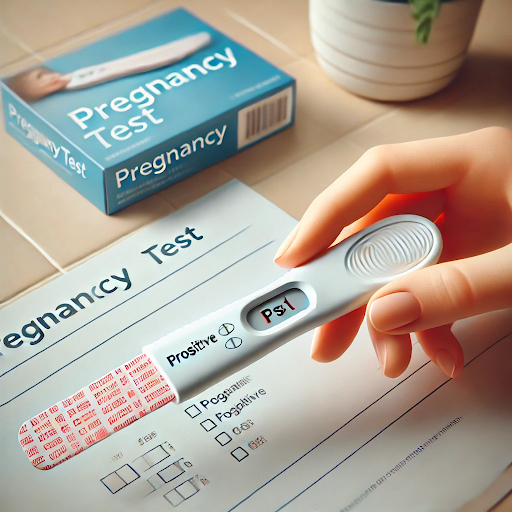
How to use a pregnancy kit Home pregnancy test instructions Best way to check pregnancy at home Pregnancy test accuracy tips When to take a pregnancy test Pregnancy test step-by-step guide Early signs of pregnancy Home pregnancy test kit usage How to get accurate pregnancy test results Pregnancy test mistakes to avoid Positive pregnancy test next steps Negative pregnancy test but still pregnant How to read pregnancy test results DIY pregnancy test vs. medical test First morning urine pregnancy test Expired pregnancy test accuracy Pregnancy test kit brands comparison False positive pregnancy test causes Faint line on pregnancy test meaning How soon can I take a pregnancy test?


About This Blog Post

This article is designed to help women understand how to use a pregnancy kit carefully and achieve accurate pregnancy test results. Whether you are experiencing early signs of pregnancy or wondering how soon can I take a pregnancy test, this guide ensures that you perform the test correctly and interpret the results without confusion.

By following this pregnancy test step-by-step guide, you can increase your chances of getting an accurate reading. We have covered false positive pregnancy test causes, pregnancy test kit brands comparison, and what to do after a positive pregnancy test to give you complete information on the subject


When Should You Use a Pregnancy Kit?

To get the most reliable results, you should use a pregnancy kit at the right time. The best time to take the test is:

  • After a missed period – hCG levels are higher and more detectable.
  • Early morning urine sample – First-morning urine has the highest concentration of hCG.
  • At least 10-14 days after ovulation – Testing too early may give inaccurate results.

Some pregnancy test kits claim to detect pregnancy before a missed period, but waiting a few extra days improves accuracy. If you notice early signs of pregnancy, such as nausea, fatigue, or breast tenderness, taking a home pregnancy test can provide clarity.


Types of Pregnancy Test Kits

There are two common types of home pregnancy test kits:

  1. Strip Pregnancy Test

    • Requires collecting urine in a container and dipping the strip.
    • The test strip changes color or shows lines indicating the result.
  2. Midstream Pregnancy Test

    • A more convenient option where you urinate directly on the absorbent tip.
    • Results appear in the test window within a few minutes.

Both types work by detecting the pregnancy hormone hCG (human chorionic gonadotropin) in urine.


Step-by-Step Guide to Using a Pregnancy Kit Carefully

How to use a pregnancy kit Home pregnancy test instructions Best way to check pregnancy at home Pregnancy test accuracy tips When to take a pregnancy test Pregnancy test step-by-step guide Early signs of pregnancy Home pregnancy test kit usage How to get accurate pregnancy test results Pregnancy test mistakes to avoid Positive pregnancy test next steps Negative pregnancy test but still pregnant How to read pregnancy test results DIY pregnancy test vs. medical test First morning urine pregnancy test Expired pregnancy test accuracy Pregnancy test kit brands comparison False positive pregnancy test causes Faint line on pregnancy test meaning How soon can I take a pregnancy test?


Step 1: Read the Instructions

Each brand may have slightly different usage guidelines, so carefully read the instructions that come with your pregnancy kit.

Step 2: Collect Your Urine Sample (If Required)

  • If using a strip test, collect urine in a clean, dry container.
  • If using a midstream test, urinate directly onto the absorbent tip.

Step 3: Perform the Test

  • Dip the strip into the urine up to the marked line for the required time (usually 5-10 seconds).
  • For a midstream test, hold the stick in the urine stream for the recommended time.
  • Place the test on a flat surface and wait for the result.

Step 4: Wait for the Results

  • Most tests show results within 3-5 minutes.
  • Do not check too early or too late as it may lead to incorrect interpretation.

Step 5: Read the Results

  • Two Lines or a Plus Sign: Positive (Pregnant)
  • One Line or a Minus Sign: Negative (Not Pregnant)
  • No Line or Invalid Result: The test may be faulty or improperly performed; retest with a new kit.

Tips to Ensure Accurate Results

  • Use a reliable brand – Choose a reputable pregnancy test for higher accuracy.
  • Check the expiration date – Expired tests may give incorrect results.
  • Avoid drinking too much water before testing – This can dilute hCG levels in urine.
  • Follow the correct waiting time – Checking results too soon or too late can cause confusion.
  • Store the kit properly – Keep it in a dry, cool place away from heat and humidity.

What to Do If Your Test Is Positive?

  • Confirm with a second test after 1-2 days.
  • Schedule an appointment with a doctor for a blood test and ultrasound.
  • Start prenatal care, including taking folic acid and maintaining a healthy lifestyle.

What If the Test Is Negative?

  • If your period does not start, retake the test after a few days.
  • If you still suspect pregnancy, consult a doctor.
  • Consider tracking ovulation for better accuracy in future tests.

Common Pregnancy Test Mistakes to Avoid

  • Testing too early – hCG levels may not be detectable yet.
  • Using diluted urine – This can lead to false-negative results.
  • Not following instructions properly – Always read the user manual.
  • Misreading the test window – Follow the time frame mentioned in the instructions.
  • Using an expired test kit – Always check the expiry date before using it.
How to use a pregnancy kit Home pregnancy test instructions Best way to check pregnancy at home Pregnancy test accuracy tips When to take a pregnancy test Pregnancy test step-by-step guide Early signs of pregnancy Home pregnancy test kit usage How to get accurate pregnancy test results Pregnancy test mistakes to avoid Positive pregnancy test next steps Negative pregnancy test but still pregnant How to read pregnancy test results DIY pregnancy test vs. medical test First morning urine pregnancy test Expired pregnancy test accuracy Pregnancy test kit brands comparison False positive pregnancy test causes Faint line on pregnancy test meaning How soon can I take a pregnancy test?


FAQs

1. How soon can I take a pregnancy test after unprotected sex?
You should wait at least 10-14 days after ovulation for accurate results.

2. Can I take a pregnancy test at night?
Yes, but morning urine gives the most reliable results due to higher hCG concentration.

3. Can a pregnancy test be wrong?
Yes, false positives or negatives can happen due to testing errors, expired kits, or medical conditions.

4. What should I do if my test shows a faint line?
A faint line may still indicate pregnancy. Retake the test in 2 days for confirmation.

5. Can medications affect pregnancy test results?
Some fertility drugs containing hCG may cause false positives, but most medications do not affect results.


Conclusion

Using a home pregnancy test kit carefully is essential for getting accurate results. Always follow the instructions, test at the right time, and avoid common mistakes. If you get a positive result, consult a healthcare provider to confirm your pregnancy and begin prenatal care.

For more pregnancy-related tips, check out our blog on pregnancy care tips, and newborn baby care.

Comments

Popular posts from this blog

Pregnancy Myths vs. Facts: What Science Really Says?

Pregnancy Myths vs. Facts: The Ultimate Science-Backed Guide for Expecting Mothers Pregnancy is powerful. It is emotional. It is life-changing. But it is also surrounded by confusion. From the moment a woman announces she is expecting, advice begins to pour in. Some suggestions are helpful. Others are outdated. Many are simply myths passed down through generations. In today’s digital world, misinformation spreads faster than ever. Social media posts, online forums, and even well-meaning relatives can unintentionally create fear or false expectations. This in-depth guide separates myths from medical reality — clearly, calmly, and based on modern research — so you can feel confident in your pregnancy journey. Table of Contents Why Pregnancy Myths Exist Myth 1: You Must Eat for Two Myth 2: Morning Sickness Only Happens in the Morning Myth 3: Coffee is Completely Forbidden Myth 4: Exercise is Dangerous Myth 5: Belly Shape Predicts Gender Myth 6: Heartburn Means a Hairy ...

Most Readable Articles on Pregnancy

Most Readable Articles on Pregnancy Welcome to our curated list of the most insightful and well-researched articles about pregnancy. Whether you're an expecting mother, a new parent, or someone looking for valuable information, these articles provide expert guidance and support throughout your journey. Pregnancy Basics Pregnancy Myths vs. Facts - Discover the truth behind common pregnancy myths. A Complete Guide for Expecting Mothers - Everything you need to know about prenatal care and well-being. Understanding Pregnancy Stages - Learn about the three trimesters and key developments. Pregnancy Trimesters: A Complete Guide - A detailed overview of what to expect each trimester. Trimester-Specific Guidance First Trimester: What to Expect - Key symptoms, body changes, and important prenatal care tips. How to Prepare for Pregnancy - Essential steps to ensure a healthy pregnancy journey. Labor & Delivery Natural vs. Epidural Birth: Pros and Cons - Weighing the...

Pregnancy Do's and Don'ts: A Complete Guide for Expecting Mothers!!

Pregnancy Do’s and Don’ts: A Complete Guide for a Healthy and Safe Journey Pregnancy is one of the most emotional and life-changing experiences in a woman’s life. From the moment you see those two pink lines, everything starts to feel different. Along with happiness and excitement, there are also questions, doubts, and sometimes fear. What should I eat? Can I exercise? Is coffee safe? How should I sleep? What should I avoid? If you are asking these questions, you are not alone. Every expecting mother wants to do what is best for her baby. This complete guide will walk you through simple, practical, and realistic pregnancy do’s and don’ts in easy language. No complicated medical words. Just clear guidance you can actually follow. Table of Contents Why Pregnancy Care Is Important Pregnancy Do’s – Healthy Habits to Follow Nutrition and Diet Guidelines Safe Exercise During Pregnancy Sleep and Rest Tips Mental Health and Stress Management Pregnancy Don’ts – What to Avoid ...

Pregnancy Trimesters: A Complete Guide

Pregnancy is divided into three trimesters, each lasting about 13 weeks. Understanding these stages helps expecting mothers prepare for physical, emotional, and medical changes. This guide explores each trimester, key developments, common symptoms, and essential tips. Table of Contents Introduction to Pregnancy Trimesters First Trimester (Weeks 1-12) 2.1 Key Developments 2.2 Common Symptoms 2.3 Essential Care Tips Second Trimester (Weeks 13-26) 3.1 Key Developments 3.2 Common Symptoms 3.3 Essential Care Tips Third Trimester (Weeks 27-40) 4.1 Key Developments 4.2 Common Symptoms 4.3 Essential Care Tips Preparing for Birth FAQs Conclusion Introduction to Pregnancy Trimesters Pregnancy lasts approximately 40 weeks, divided into three trimesters. Each trimester has distinct changes in the mother’s body and the baby’s development. Proper prenatal care is essential for a healthy pregnancy and safe delivery. First Trimester (Weeks 1-12) Key Developments Fert...